Archaeologists unearth more than bones on Henderson Island
He had every reason to believe he was the only human left, and he knew what extinction meant. After all he’d seen several species that once inhabited his barren little island go extinct.
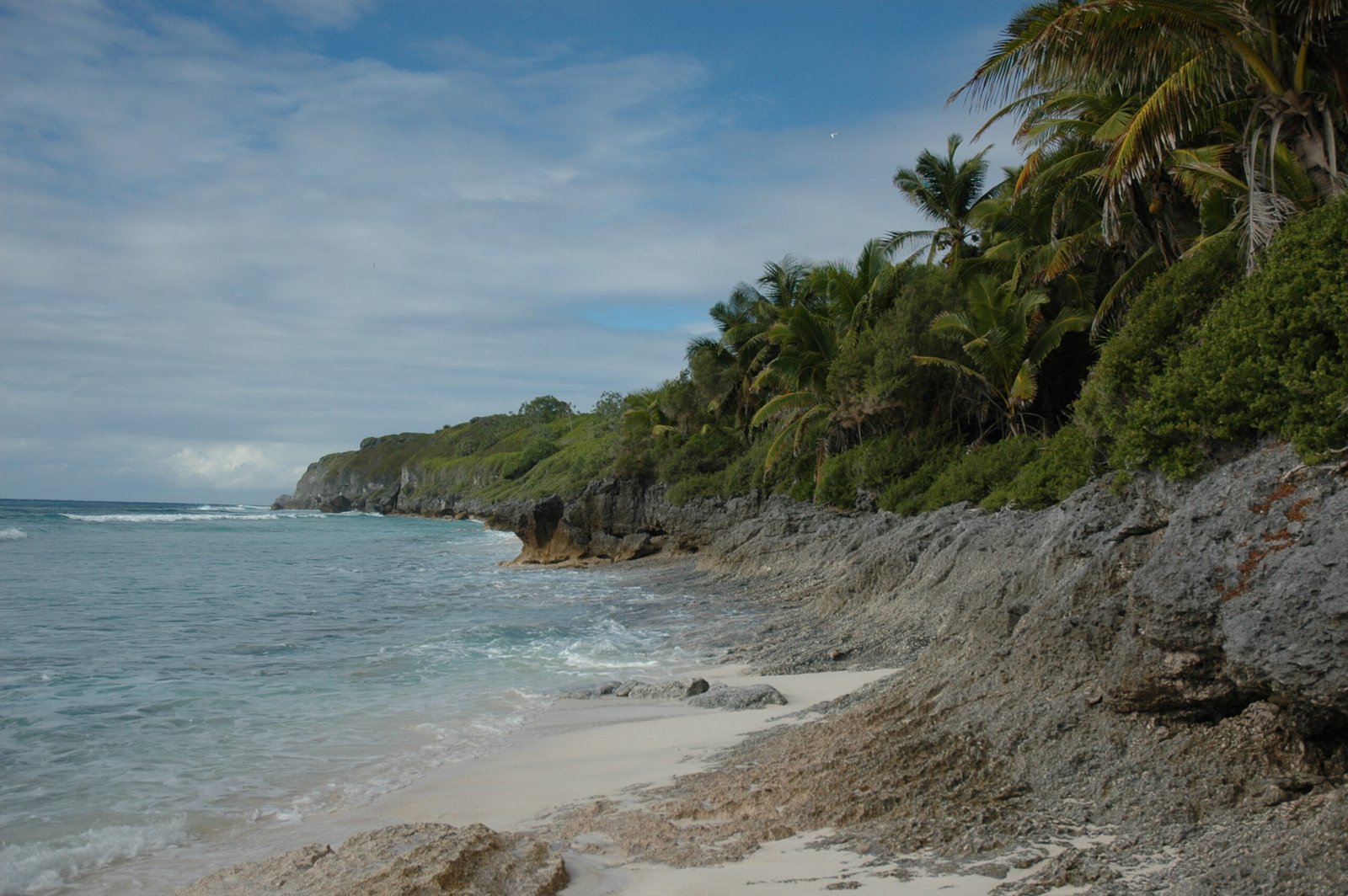
On the Pacific Ocean’s Henderson Island lies a heap of bones and refuse three hundred meters long and thirty meters wide. The pile contains the bones of tens of millions of birds and fish, and—mixed among them—artifacts that tell the story of a disaster.
Long, long ago, as attested by the oldest layers in the midden mound, the island saw visitors from nearby islands, most notably Mangarvea. They stopped to feast on the abundant wildlife, and left behind broken tools, oyster shells, and other clues to their origin. These were athletic men and women in swift sea-going outrigger canoes, fashioned from the timber that grew on Mangareva’s fertile slopes. Perhaps they came only for a day or two, taking on fresh meat before returning home, or perhaps some of them even settled on the island.
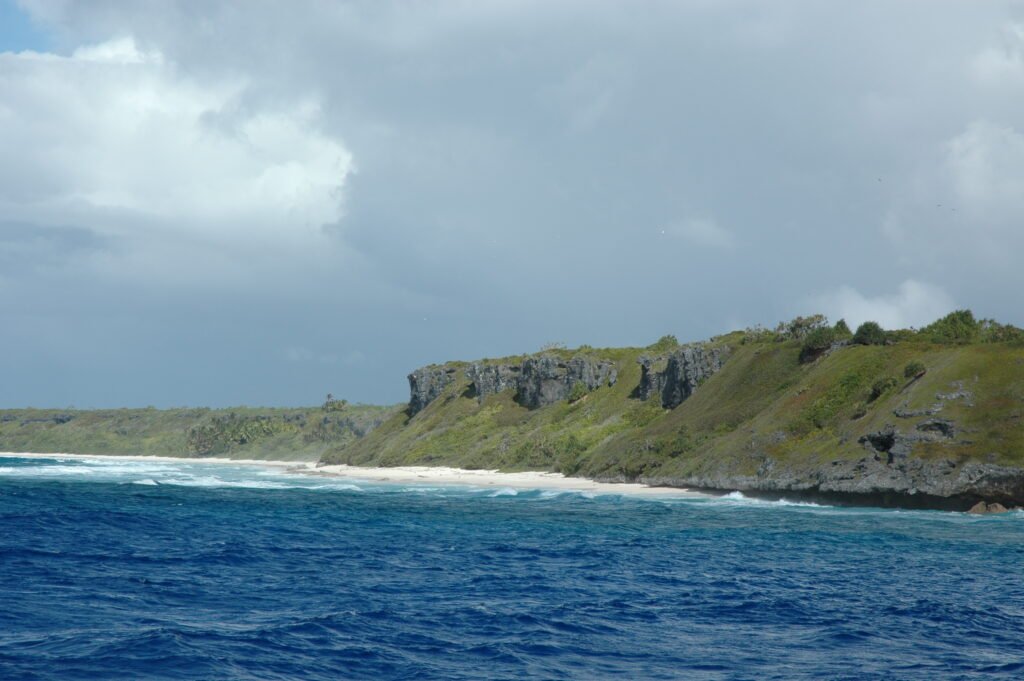
For a while, maybe even a century or two, life was good. The ships from Mangarvea brought everything the tiny island couldn’t supply on its own, like tools and vegetables. But life was also like a short unsteady row of dominos.
And one by one, the dominos began to fall.
The island of Mangarvea, where the visitors came from, is only five miles long, and its population grew too large to sustain itself. Deforestation and erosion led to chronic famine, which triggered war between factions battling for remaining fertile land. It was a slow-motion Donner party. The descendants of the survivors tell stories of cannibalism and starvation, of dictators warring over land that could be measured only in yards, not miles. The trees necessary to construct canoes disappeared, burnt for fuel or cut up for timber. The last of the existing canoes became too old and fragile for off-shore fishing, further limiting the islander’s diets. No one had the ships, time or energy for an open-sea voyage.
The ships stopped coming.
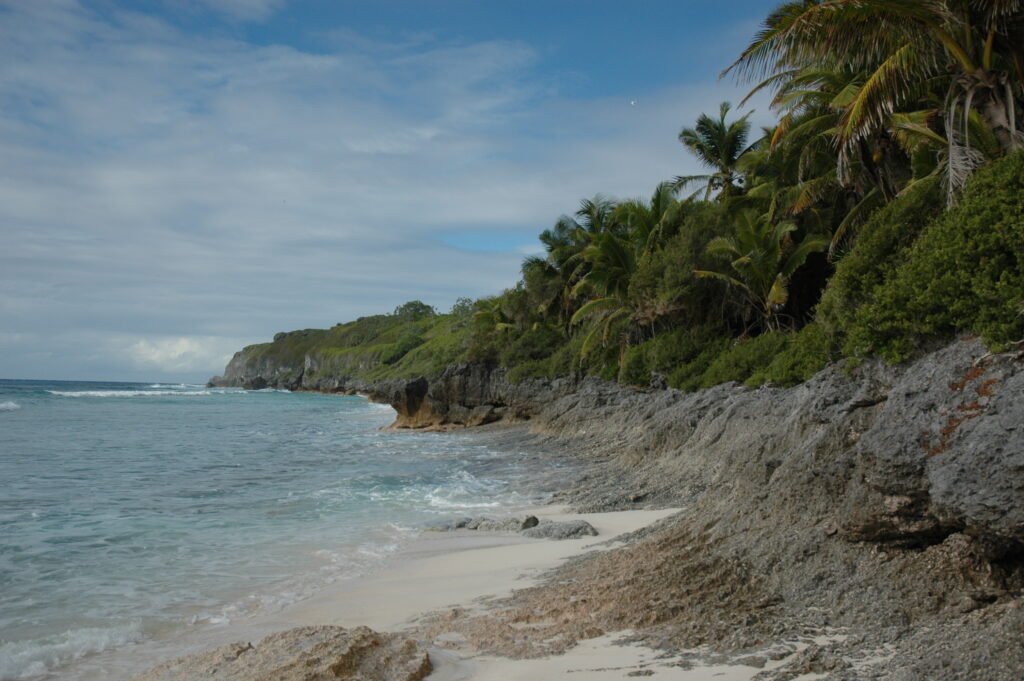
Remember that trash pile? It continued to rise, layer after layer, for perhaps as long as a century after all traces of trade between the islands disappeared. Perhaps the men and women whose daily meals slowly built the pile had arrived as visitors before being stranded by a storm, or maybe they settled there during better days.
Either way, they were now alone.
In the trash pile we find no more shards of fine volcanic glass from nearby Pitcairn, or oyster shells and slabs of volcanic stone, used for ovens, from Mangarvea.
The bones testify that there was still meat to be found, enough to sustain life. But the handful of people who lived there were probably too closely related to intermarry. They were alone, surrounded by miles of empty ocean, a forsaken, dwindling population, watching for the ships that never came.
On the island remain the bones of at least 10 adults, six teenagers, and four children. They died, one after another, until only one person remained.
How long did the last survivor live on that barren wind-swept island, the only human on earth, as far as he knew? Did he cling to the fading memory of the last ship, decades before? Did he sit by the ocean and look for hours over the empty sea? Or were the ships only a tale his parents told, something too unreal for hope?
What do you think? What would you do if you believed yourself the last human on earth?
To learn more about Henderson Island I recommend the book Collapse, by Jared Diamond. Or, if you need a shorter read, you can check out these articles here and here.
This story was originally published in my newsletter. Want to read more content like this? Subscribe!